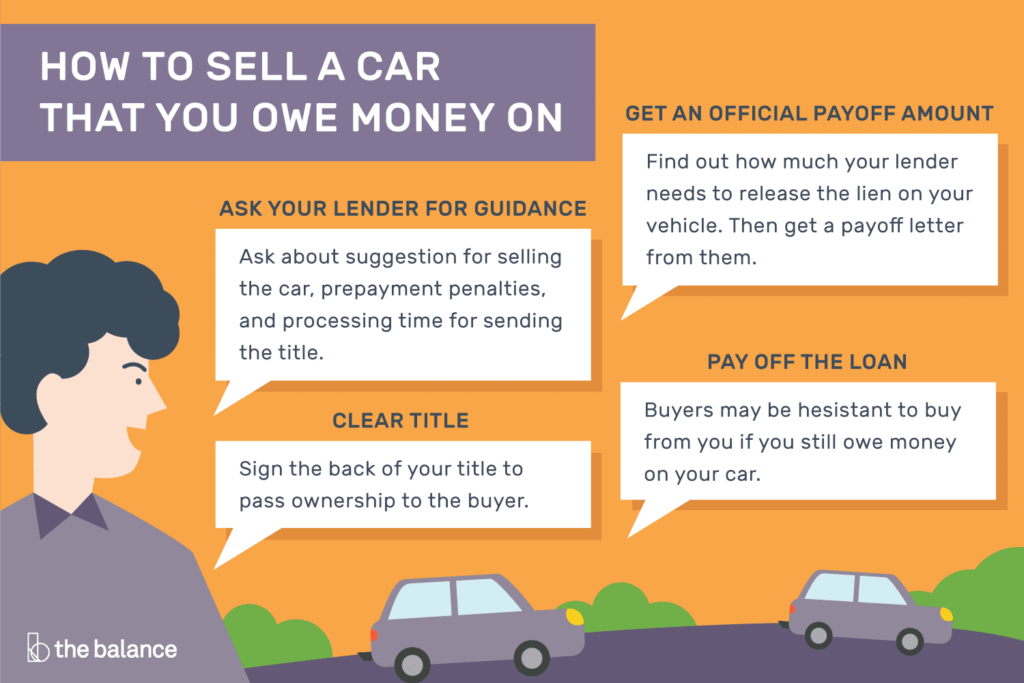
Selling a car with an outstanding loan balance might sound complicated, but it’s actually quite common in Canada. Whether you’re upgrading to a new vehicle or looking to eliminate debt, the process is straightforward—as long as you follow the right steps. This guide will walk you through how to sell a financed car, what documents you need, the risks to avoid, and how to ensure a legal and secure transaction.
What Does It Mean to Sell a Car With a Loan?
When you finance a vehicle, your lender places a lien on the car. A lien is a legal right that gives the lender authority over the vehicle until the loan is fully paid. If you want to sell the car, you must either pay off the loan or arrange for the lien to be cleared as part of the transaction.
Is It Legal to Sell a Car With a Loan in Canada?
Yes. There’s no law in Canada prohibiting the sale of a financed vehicle. However, the loan must be paid off before full ownership can transfer to the buyer. This can be done either before or during the sale process.
Options for Selling a Financed Car in Canada
There are three main ways to sell a car that still has a loan attached to it:
| Option | Best For | Key Requirement |
|---|---|---|
| Pay off the loan before selling | Those who can cover the balance upfront | Full loan repayment |
| Sell privately and settle the loan | Sellers seeking higher value through private sales | Clear communication and lien disclosure |
| Trade in at a dealership | Simplifying the process | Dealership pays off the loan |
Let’s look at each option in detail.
Option 1: Pay Off the Loan First
This is the simplest and cleanest method. Here’s how it works:
- Contact your lender to get the current loan payout amount (also known as a discharge statement).
- Pay off the balance using your own funds.
- Once cleared, the lender provides a lien release letter.
- You’re now free to sell the car privately or to a dealer without complications.
Pros:
- Smooth transaction
- No complications for the buyer
Cons:
- Requires access to funds
Option 2: Sell Privately While the Loan Is Active
This option allows you to sell the car without paying off the loan upfront, but it requires trust and transparency:
Steps:
- Disclose the lien to the buyer.
- Request a payout statement from your lender.
- The buyer can:
- Pay you, and you then pay off the lender
- Or pay the lender directly and cover the remaining cost (if any) to you
Example Table:
| Car Value | Loan Balance | Buyer Pays Lender | Buyer Pays Seller |
|---|---|---|---|
| $20,000 | $15,000 | $15,000 | $5,000 |
Pros:
- Possibly better sale value than a trade-in
Cons:
- Risk if either party doesn’t follow through
- Requires paperwork and trust
Tip: Use a dealership or legal third party to facilitate payment and transfer safely.
Option 3: Trade In the Vehicle at a Dealership
If convenience is key, trading in at a Canadian dealership is the most hassle-free approach.
How It Works:
- The dealership appraises your vehicle.
- They contact your lender and pay off the loan balance.
- Any equity (positive or negative) is applied to your next vehicle.
| Trade-In Value | Loan Balance | Equity | Applied to New Loan |
|---|---|---|---|
| $25,000 | $20,000 | +$5,000 | $5,000 toward down payment |
| $18,000 | $20,000 | -$2,000 | $2,000 added to new loan |
Pros:
- No stress dealing with liens or buyers
- Dealership handles all paperwork
- Fast and secure
Cons:
- You may get slightly less value than a private sale
What If You Have Negative Equity?
Negative equity means you owe more than your car is worth. This is common in the first few years of ownership when depreciation is highest.
Solutions:
- Pay the difference in cash
- Roll over the balance into your next loan (be cautious—it increases your debt)
Required Documents to Sell a Financed Car in Canada
| Document | Purpose |
|---|---|
| Vehicle Registration | Proves ownership |
| Loan Payout Statement | Shows exact amount needed to discharge lien |
| Lien Release Letter (if paid off) | Confirms car is free of financial obligations |
| Bill of Sale | Legal proof of transaction |
| UVIP (in Ontario) | Required to sell a used car privately in Ontario |
| Safety Standards Certificate | Required for ownership transfer in most provinces |
Important Tips When Selling a Financed Car
- Always disclose the loan status to the buyer
- Never transfer ownership before the lien is cleared
- Double-check with your lender for their exact procedures
- Beware of online scams—meet in safe, public locations
Can You Sell a Leased Vehicle in Canada?
Technically, no—you don’t own a leased vehicle. But you can:
- Buy out the lease (pay the residual value)
- Then sell the car yourself
Dealerships may also take over your lease or include the buyout in a trade-in deal.
Should You Use a Dealership?
If you’re unsure about paperwork or don’t want to risk private transactions, dealerships are the safest option. Many Canadian dealerships will:
- Pay off your loan
- Handle lien releases
- Offer trade-in bonuses or loyalty programs
Conclusion: Yes, You Can Sell a Car With a Loan in Canada—If Done Right
Selling a car with an outstanding loan in Canada is not only legal—it’s common. The key is knowing how to navigate the lien, communicate openly, and ensure the buyer or dealership knows the situation upfront. Whether you pay off the loan before listing or sell through a dealership, be sure your paperwork is in order and the lien is cleared before the title is transferred.