Proper tire inflation is one of the simplest yet most critical aspects of vehicle maintenance. Driving with underinflated or overinflated tires can lead to poor fuel economy, uneven tire wear, and even dangerous blowouts. Fortunately, inflating your car tires is a straightforward task that any driver can learn. In this guide, we’ll walk you through the entire process, from checking pressure to using various inflation tools, with a Canadian context in mind.
Why Proper Tire Inflation Matters
Before diving into the steps, it’s important to understand why correct tire pressure is essential:
- Safety: Proper inflation ensures optimal contact between the tire and the road, improving braking and handling.
- Fuel Efficiency: Underinflated tires increase rolling resistance, causing the engine to work harder.
- Tire Longevity: Incorrect pressure leads to uneven wear and can shorten tire life.
- Environmental Impact: Underinflated tires increase CO2 emissions due to poor fuel economy.
According to Transport Canada, properly inflated tires can improve fuel efficiency by up to 3%, which can translate to hundreds of dollars in annual savings.
Tools You’ll Need
| Tool | Purpose |
|---|---|
| Tire Pressure Gauge | To check current PSI |
| Air Compressor or Pump | To inflate the tire |
| Valve Cap Remover (opt.) | To remove valve caps with ease |
| Vehicle Manual | To find recommended tire pressure (PSI) |
Tip: Consider investing in a high-quality digital gauge for more accurate readings, especially in cold Canadian winters where analog gauges may be affected.
Step-by-Step Instructions
Step 1: Check Recommended Tire Pressure
Locate the manufacturer’s recommended tire pressure:
- Found inside the driver’s door jamb
- Or in the vehicle’s owner manual
Typical PSI ranges:
| Vehicle Type | Recommended PSI Range |
| Sedan | 32–35 PSI |
| SUV | 35–40 PSI |
| Light Truck | 40–45 PSI |
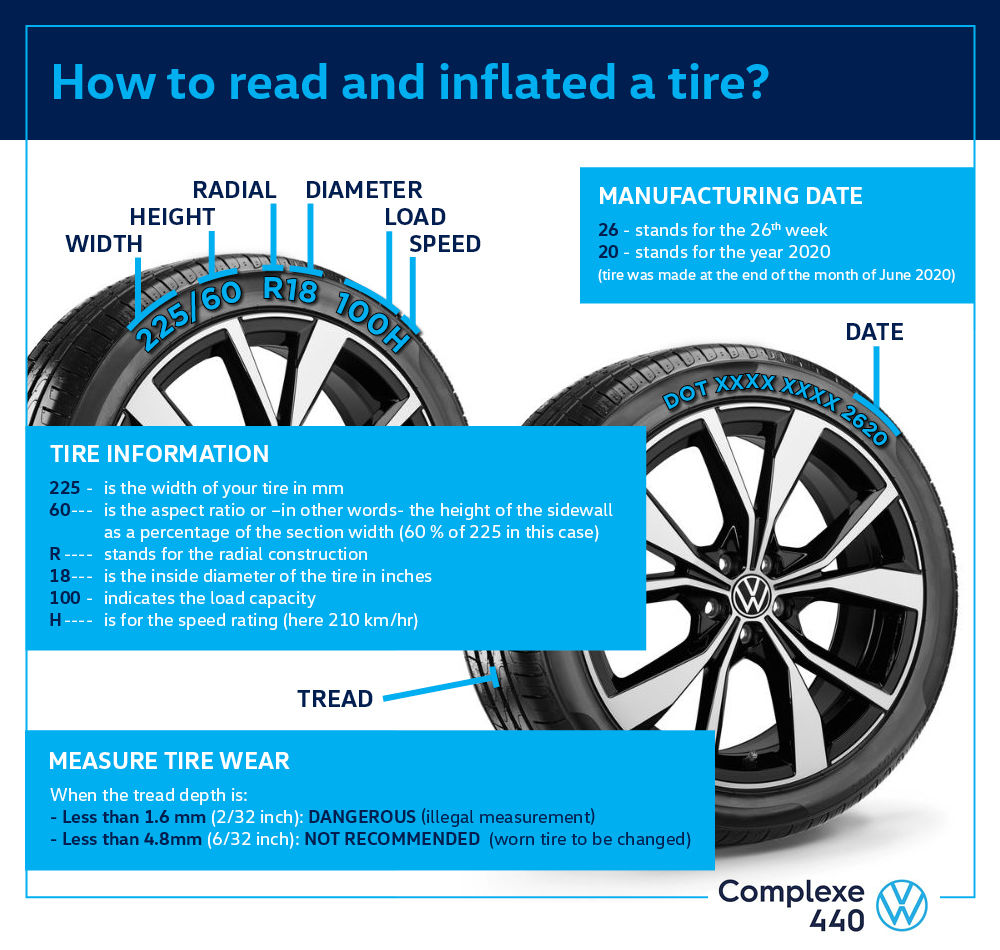
Note: Do not rely solely on the PSI rating printed on the tire’s sidewall—this is the maximum pressure, not the recommended one. During winter months, you may want to add 1–2 PSI more than usual to compensate for temperature drops.
Step 2: Measure Existing Tire Pressure
- Ensure the tires are cold (not driven in the last 2 hours).
- Remove the valve cap from the tire.
- Press the tire pressure gauge onto the valve stem.
- Read the gauge to determine the current PSI.
- Repeat for all four tires.
If one tire consistently loses pressure, inspect it for punctures or sidewall damage.
Step 3: Choose an Inflation Method
| Method | Description |
| Gas Station Air Pump | Convenient but may cost money |
| Manual Foot Pump | Portable and does not require electricity |
| Portable Electric Inflator | Ideal for home use or roadside emergencies |
For convenience and portability, consider using a portable electric inflator, such as those recommended in FlipCars’ guide to the best tire inflators for Canadian drivers. These devices are compact, fast, and ideal for unpredictable Canadian weather.
Step 4: Inflate the Tires
Using a Portable Electric Inflator:
- Plug the inflator into your vehicle’s 12V outlet.
- Attach the hose to the tire’s valve stem.
- Set the desired PSI on the digital screen.
- Turn on the inflator.
- Wait for it to automatically stop at the target pressure.
- Detach the hose and replace the valve cap.
Using a Gas Station Air Pump:
- Park close to the air dispenser.
- Remove the valve caps.
- Set the pump (if digital) to the desired PSI.
- Attach the nozzle to the valve.
- Inflate in short bursts and monitor with your gauge.
- Stop once the desired PSI is reached.
In winter, metal nozzles can get cold fast—consider using gloves.
Additional Tips
- Check Monthly: Tire pressure drops approximately 1 PSI for every 5°C decrease in temperature.
- Include the Spare: A flat spare won’t help in an emergency.
- Avoid Overinflation: This can reduce traction, increase tire wear, and cause a harsh ride.
- TPMS Warning: If your Tire Pressure Monitoring System (TPMS) light comes on, check all four tires immediately.
- Drive a Short Distance and Recheck: This helps confirm whether the pressure holds steady.
Troubleshooting Common Issues
| Problem | Possible Cause | Solution |
| Air won’t go in | Clogged valve or bad connection | Reposition the nozzle, clean the valve stem |
| Tire still looks flat | Slow leak, puncture, or internal damage | Inspect for nails, bubbles; visit a tire shop |
| Inflator not working | Power issue or internal fault | Check outlet, use backup inflator |
| Loud hissing sound | Poor seal at the valve | Realign or tighten the air hose connection |
How Cold Weather Affects Tire Inflation
In Canada, temperature plays a significant role in tire pressure. For every 10°C drop, tire pressure decreases by about 1–2 PSI. That means your tires might be significantly underinflated by the time December rolls around, even if they were perfect in October.
| Temperature (°C) | Expected PSI Drop |
| 20°C | 0 PSI |
| 10°C | -1 PSI |
| 0°C | -2 PSI |
| -10°C | -3 PSI |
| -20°C | -4 PSI |
Always check tire pressure after the first cold snap to prevent unsafe driving conditions.
Conclusion
Learning how to inflate your car tires is an essential life skill that can improve your safety, save you money, and extend the life of your tires. With the right tools and a few minutes each month, you can ensure your vehicle is always road-ready.
Tire inflation doesn’t have to be intimidating. With modern tools like portable electric inflators, the job is quicker and more accurate than ever before. Canadians especially should pay attention to temperature fluctuations throughout the year that affect tire pressure.
For product reviews and recommendations on inflators that work well in our climate, visit FlipCars’ guide to the best portable tire inflators.
Stay safe, and keep your tires properly inflated year-round!