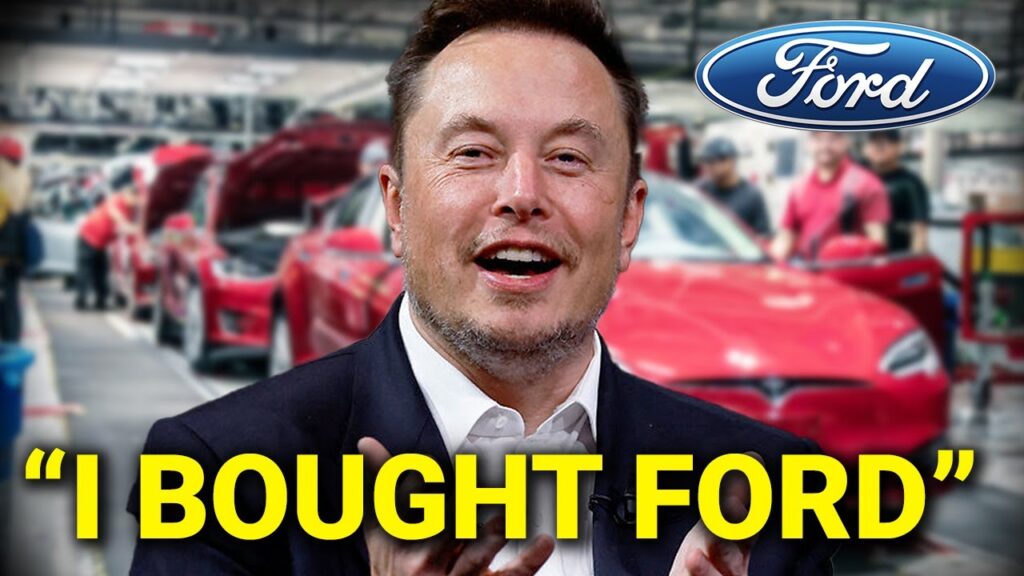
In the world of business and technology, few figures generate as much buzz as Elon Musk. As the CEO of Tesla, SpaceX, and other ventures, Musk has transformed multiple industries. But one recurring rumor that continues to circulate online—especially in car forums and on social media—is the idea that Elon Musk has bought Ford Motor Company.
Let’s address the question head-on: No, Elon Musk has not bought Ford. As of 2025, Ford remains an independent, publicly traded company with no ownership stake by Musk or Tesla.
In this blog post, we’ll explore the facts behind the rumor, provide historical and financial context, and clarify why Ford and Tesla remain two distinct automotive giants.
Understanding the Rumor
The speculation that Musk might buy Ford likely stems from a mix of wishful thinking, misinterpretation of Musk’s past statements, and a misunderstanding of automotive industry dynamics.
Origins of the Rumor:
- In past interviews, Musk suggested he might consider acquiring a legacy automaker, but only “in extreme circumstances.”
- Tesla’s growing dominance in the EV sector has led some fans to imagine it acquiring struggling competitors.
- Ford’s history of financial troubles in the early 2000s, despite a recovery, fuels the perception that it might be vulnerable.
However, there is no credible evidence or formal business filing indicating Musk has any intent—or legal authority—to buy Ford.
Ford’s Ownership and Structure
To understand why Ford remains independent, let’s look at how the company is owned and controlled.
| Feature | Details |
|---|---|
| Company Name | Ford Motor Company |
| Founded | 1903 by Henry Ford |
| Current CEO | Jim Farley (2025) |
| Stock Ticker | F (New York Stock Exchange) |
| Ownership | Publicly traded |
| Ford Family Voting Shares | Class B shares with enhanced voting rights |
| Controlled by Musk? | No |
Despite owning less than 2% of Ford’s outstanding stock, the Ford family controls roughly 40% of voting power via special Class B shares. This structure makes a hostile takeover nearly impossible.
Elon Musk’s Relationship with Ford
No Business Ownership
Elon Musk does not hold a board position, stock control, or management role at Ford Motor Company. As of May 2025, there is no record of Musk acquiring any significant stake in Ford, either personally or through Tesla.
Competing, Not Collaborating
Ford and Tesla are direct competitors in the electric vehicle market. While Ford uses Tesla’s North American Charging Standard (NACS), this is an infrastructure-sharing agreement, not a partnership or acquisition.
| Category | Ford Motor Company | Tesla Inc. |
|---|---|---|
| Founded | 1903 | 2003 |
| CEO | Jim Farley | Elon Musk |
| Headquarters | Dearborn, Michigan | Austin, Texas |
| EV Models | F-150 Lightning, Mach-E | Model S, 3, X, Y, Cybertruck |
| Charger Access | NACS (via Tesla) | Native Tesla Superchargers |
| Ownership | Public, Ford family voting control | Public, Musk is largest shareholder |
Musk’s Comments on Legacy Automakers
Elon Musk has previously said he “might be open” to acquiring a legacy car company if they faced bankruptcy or major financial distress. This led to some speculation about Ford. However:
- These comments were generalized and not specific to Ford.
- Ford is currently financially stable with billions in revenue from trucks, SUVs, and EVs.
- Tesla has made no official moves to acquire any major legacy carmaker.
Could Musk Realistically Buy Ford?
Let’s explore the hypothetical: could Elon Musk actually buy Ford?
Market Capitalization Comparison
| Company | Market Cap (as of 2025) |
|---|---|
| Tesla Inc. | $650–700 billion USD |
| Ford Motor Co. | $55–60 billion USD |
While Musk has the personal wealth and Tesla has the market strength to potentially acquire Ford on paper, doing so would face enormous hurdles:
- Regulatory Barriers: A Tesla-Ford merger would raise significant antitrust concerns in the U.S. and internationally.
- Cultural Clash: Ford is a unionized, traditional automaker with legacy supply chains. Tesla’s vertically integrated, direct-to-consumer model would be hard to reconcile.
- Ford’s Voting Structure: The Ford family’s Class B shares make a takeover unlikely without their full cooperation.
- Brand Identity: Ford and Tesla target different demographics and market segments. A merger would dilute their unique branding.
Why the Rumor Persists
Despite the lack of evidence, the rumor of Musk buying Ford continues to pop up. Here’s why:
- Musk’s reputation for disruption makes anything seem possible.
- Media speculation and “what if” articles gain traction quickly.
- Ford’s use of Tesla Superchargers has blurred lines for some consumers.
Important Distinction:
Ford’s adoption of the Tesla NACS charging port does not imply corporate ownership or control. It simply ensures Ford EVs can use Tesla’s charging infrastructure starting in 2024–2025.
The Truth in 2025
Let’s summarize the facts in a simple table.
| Question | Answer |
|---|---|
| Did Elon Musk buy Ford? | No |
| Does Musk control Ford shares? | No significant stake reported |
| Is Ford a Tesla subsidiary? | No |
| Do they have a business partnership? | No ownership link, only charger access |
| Is Ford financially vulnerable? | No, it remains stable and profitable |
| Is Ford still owned by the Ford family? | Yes, via voting-class shares |
Final Thoughts
Despite persistent rumors, Elon Musk has not bought Ford, nor is there any credible indication that he intends to. Ford and Tesla are distinct competitors with different cultures, product strategies, and ownership structures.
While it’s true that Tesla has become a leading force in EV technology and that Ford has taken cues from its innovations, each company remains firmly independent. The automotive landscape may be rapidly evolving, but a Tesla-Ford merger is, for now, pure speculation.
If you’re considering buying a vehicle or investing in automotive stocks, it’s essential to separate viral internet rumors from financial reality. In the case of Ford and Musk, the answer is clear: they are not connected by ownership—just by competition.