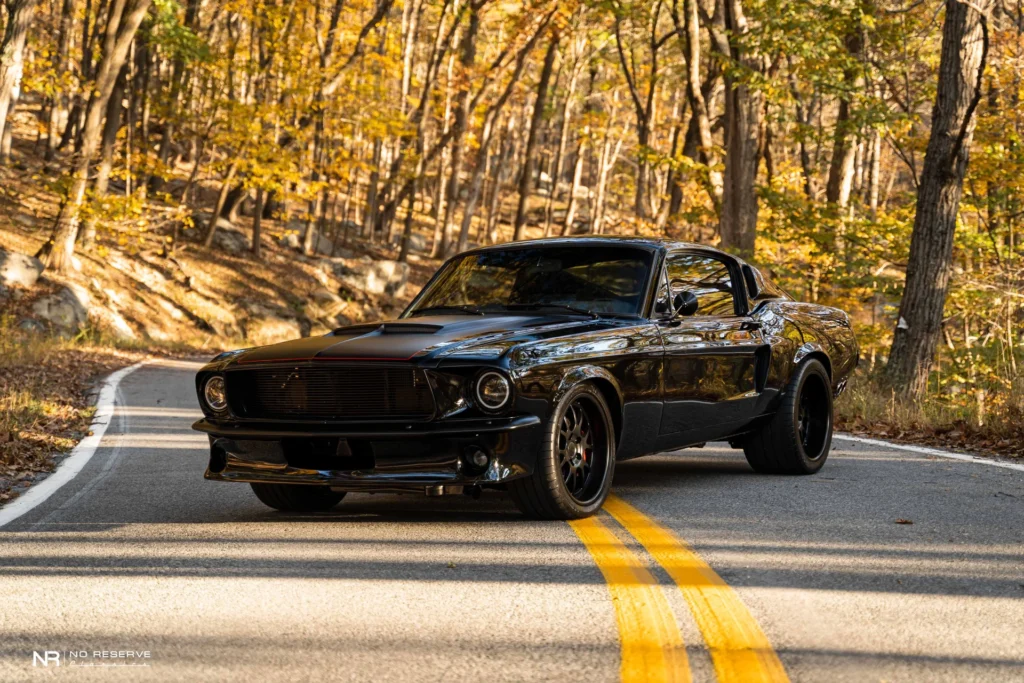
The 1967 Ford Mustang Coupe represents a turning point in the history of American muscle cars. It marked the first major redesign of the iconic pony car that took the world by storm in 1964. This version maintained the Mustang’s sporty identity but introduced a more aggressive stance, better handling, and greater engine options. In this article, we explore the 1967 Mustang Coupe in full detail — from design and specs to market value today.
Historical Context: The First Major Redesign
By 1967, competition in the pony car segment had intensified. Chevrolet had introduced the Camaro, and Pontiac had the Firebird. Ford responded with a bigger, bolder Mustang. The 1967 model introduced a wider, more muscular body to accommodate larger engines and to reinforce the Mustang’s performance image.
Body Design and Styling Changes
The 1967 Mustang Coupe preserved the classic proportions of its predecessor but came with subtle refinements:
- Larger front grille and more aggressive front fascia
- Functional side scoops (decorative on most models)
- Concave tail panel with triple-segment taillights
- New safety features like dual-circuit brakes and a collapsible steering column
Dimensions of the 1967 Ford Mustang Coupe:
| Specification | Measurement |
|---|---|
| Overall Length | 183.6 inches (4663 mm) |
| Overall Width | 70.9 inches (1801 mm) |
| Height | 51.6 inches (1311 mm) |
| Wheelbase | 108.0 inches (2743 mm) |
| Curb Weight | ~2,800 lbs (1,270 kg) |
Engine Options and Performance
One of the highlights of the 1967 Mustang was the availability of more powerful V8 engines. This was the first year the Mustang could be equipped with a “big-block” engine.
Engine Choices:
| Engine Type | Displacement | Horsepower | Torque | 0–60 mph (est.) |
|---|---|---|---|---|
| Inline-6 | 200 cu in (3.3L) | 120 hp | 190 lb-ft | ~13.5 seconds |
| V8 (289 2-barrel) | 289 cu in (4.7L) | 200 hp | 282 lb-ft | ~10.5 seconds |
| V8 (289 4-barrel) | 289 cu in (4.7L) | 225–271 hp | 312 lb-ft | ~8.0 seconds |
| V8 (390 4-barrel GT) | 390 cu in (6.4L) | 320 hp | 427 lb-ft | ~6.5 seconds |
Transmission options included a 3-speed manual, 4-speed manual, and 3-speed automatic.
Trim Levels
The 1967 Mustang Coupe was available in several configurations, offering a range of features:
Base Coupe
- Vinyl bench seats
- 3-speed manual transmission
- Basic AM radio (optional)
- 14” steel wheels
Deluxe (Interior Decor Group – aka “Pony Interior”)
- Woodgrain dash and steering wheel
- Brushed aluminum trim accents
- Comfort weave seats
- Special door panels and emblems
GT Package (optional)
- Fog lamps in grille
- Dual exhaust with quad tips
- Power front disc brakes
- Special GT emblems
- Optional handling package
Pricing: Then vs. Now
In 1967, the Ford Mustang was considered affordable for the average consumer.
Original Pricing (MSRP 1967)
| Model / Trim | Price (USD, 1967) |
|---|---|
| Base Coupe (I6) | $2,461 |
| V8 Coupe (289 2V) | $2,564 |
| GT Coupe (289 4V) | ~$2,800 |
| GT Coupe (390 V8) | ~$3,100 |
Adjusted for inflation, $2,461 in 1967 is approximately $22,000 CAD in today’s terms.
Market Value in Canada (2025)
| Condition | Price Range (CAD) |
|---|---|
| Fair (restoration project) | $12,000 – $18,000 |
| Good (driver quality) | $25,000 – $35,000 |
| Excellent (fully restored) | $45,000 – $65,000 |
| Original / Concours | $70,000+ |
Prices vary significantly depending on originality, documentation, restoration quality, and engine/transmission combinations.
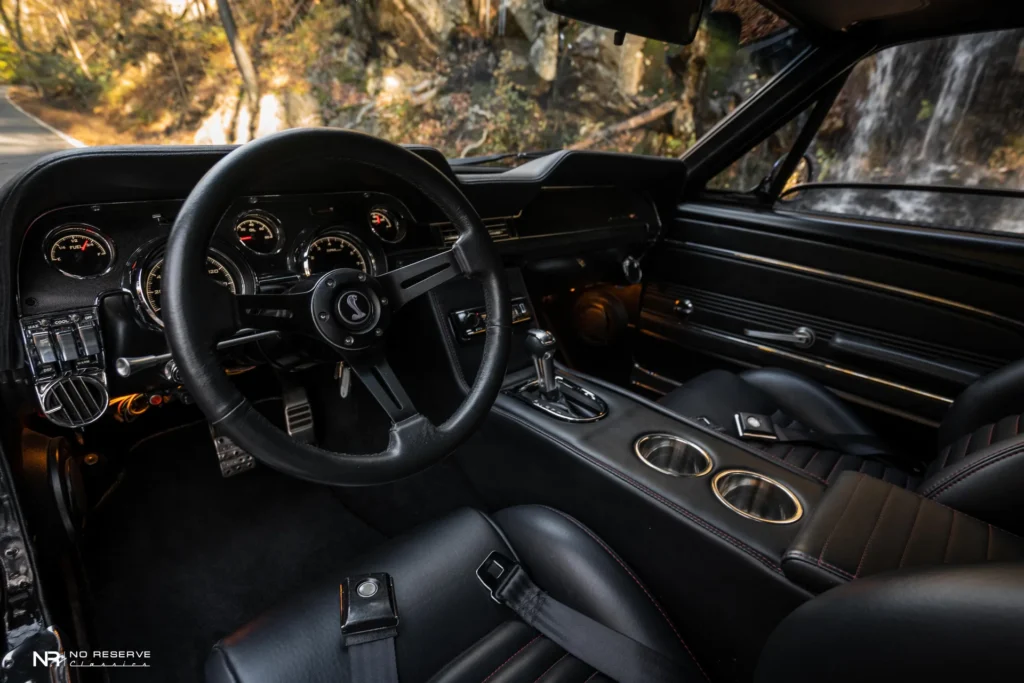
Interior Features and Comfort
The 1967 Mustang Coupe interior focused on sporty elegance. Some notable features:
- Bucket seats with optional deluxe trim
- Woodgrain instrument panel (Deluxe Interior)
- Optional center console
- AM/FM stereo and 8-track player (optional)
- Heater and defroster standard
The car lacked modern safety or infotainment systems but offered decent ergonomics for the time. The coupe body style also provided a practical trunk (399 L) and usable rear seating.
Driving Experience
While not as fast as modern sports cars, the 1967 Mustang Coupe delivers a visceral driving experience:
- Handling: Basic by today’s standards but responsive for its era; GT package improved suspension.
- Ride Quality: Softer springs and wide tracks made for a smooth ride.
- Braking: Standard drum brakes; front disc brakes optional with GT package.
- Steering: Recirculating ball with optional power assist (heavy at low speeds).
Collectability and Restoration Tips
The 1967 Mustang Coupe is one of the most restored classic cars in the world. Parts availability is excellent thanks to a large aftermarket.
Restoration Considerations:
| Area | Notes |
|---|---|
| Rust Prone Zones | Floor pans, torque boxes, wheel wells, cowl vent |
| Engine Swaps | Popular to upgrade from I6 to 289/302 V8 |
| Originality Matters | Matching numbers increase value |
| Paint Codes | Wimbledon White, Candyapple Red, Acapulco Blue among favorites |
VIN decoding is essential for verifying factory specifications. A “C” code in the VIN, for instance, indicates a 289 2-barrel V8, while an “S” indicates the 390 GT engine.
Conclusion
The 1967 Ford Mustang Coupe is a timeless symbol of American automotive design. Its blend of muscular styling, accessible performance, and strong aftermarket support makes it a popular choice for collectors and enthusiasts in Canada and around the world. Whether you’re restoring a barn find or hunting for a show-ready classic, the ’67 Mustang remains one of the most iconic vehicles ever produced.