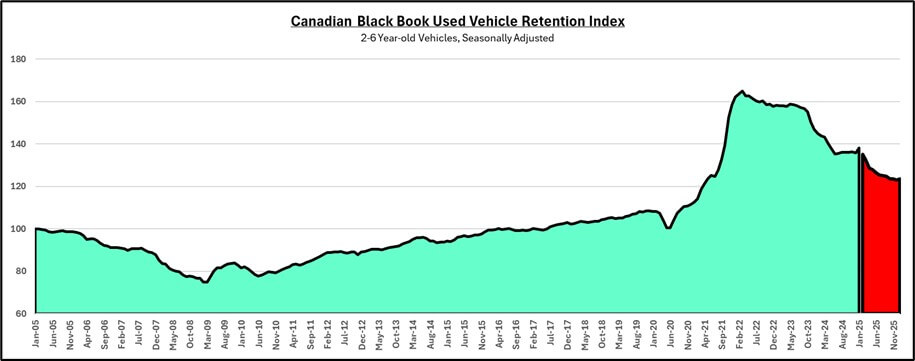
Unlock the true value of your car in Canada. This in-depth guide explains Kelley Blue Book, Canadian Black Book, NADA, and how to get accurate valuations by VIN, all for free. Learn the critical factors influencing your vehicle’s worth and master buying and selling strategies.
ver wonder what your car is really worth? It’s a question every car owner, buyer, and seller grapples with. In Canada, figuring out that magic number can feel a bit like deciphering an ancient scroll, especially when you hear terms like “Blue Book” thrown around. Forget the guesswork; we’re here to pull back the curtain and show you exactly how car valuation works north of the border, cutting through the noise and focusing on the tools that truly matter.
Understanding Car Valuation in Canada: More Than Just a Number
Getting a car’s value isn’t a simple math problem. It’s a dynamic process influenced by countless factors, from the car’s age and condition to the broader economic climate and even regional demand. For Canadians, this process has its own unique flavour and its own definitive sources.
The value of a vehicle isn’t static. It fluctuates based on supply and demand, fuel prices, new model releases, and even the time of year. Understanding these underlying forces is the first step to accurately valuing any car.
Why Valuation is Complex
Think about it: a 2018 Honda Civic in Vancouver might fetch a different price than the exact same car in rural Quebec. The condition of the car, its specific trim level, and its mileage are just the beginning. The market itself plays a huge role.
Then there’s the difference between wholesale value (what a dealer pays for it), trade-in value (what a dealer offers you), and retail value (what a dealer sells it for, or what you might get in a private sale). These figures can vary significantly, often by thousands of dollars.
The Big Players: Kelley Blue Book (KBB) in Canada
When people talk about “Blue Book value,” they’re almost always referring to Kelley Blue Book (KBB). It’s a household name, synonymous with car valuation, especially in the United States. But here’s the critical point for Canadians: KBB is primarily a U.S.-focused entity.
While KBB is a reputable source for American car values, its direct applicability to the Canadian market is limited. This is a common misconception, and it’s important to understand why.
Kelly Blue Book
Historically, KBB did have a presence or was often referenced by Canadians looking for a general idea of value. However, the Canadian automotive market operates under different conditions than its U.S. counterpart. Factors like import duties, provincial sales taxes, regulatory differences, and even climate variations mean that a car’s value in the U.S. doesn’t directly translate to Canada.
For example, the popularity of certain models, resale demand for specific features, and even the cost of parts and labour can differ significantly between the two countries. This makes a direct KBB valuation for a Canadian car inaccurate.
While some Canadians might still glance at KBB for a rough ballpark figure, especially for models sold in both markets, it should never be considered the definitive source for a Canadian vehicle’s value. Relying solely on KBB for a Canadian car can lead to incorrect pricing, whether you’re buying or selling.
The Canadian Standard: Canadian Black Book (CBB)
If Kelley Blue Book is the American standard, then Canadian Black Book (CBB) is the undisputed authority for vehicle valuations in Canada. This is the tool that Canadian dealers, financial institutions, and insurance companies rely on daily. When you hear a professional talk about “Black Book value Canada,” they’re talking about CBB.
CBB offers comprehensive, accurate, and up-to-date pricing data that reflects the unique dynamics of the Canadian market. It’s the go-to resource for anyone serious about understanding car values in Canada.
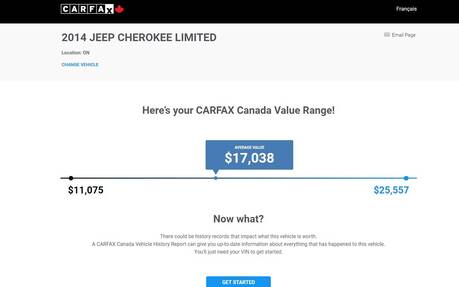
History and Authority of CBB
Canadian Black Book has been providing vehicle valuation services for over 60 years. They’ve built their reputation on robust data collection and meticulous analysis. Their longevity and widespread adoption by industry professionals underscore their authority.
They are not just an online estimator; CBB is a data powerhouse. Their reports are trusted because they are grounded in real-world Canadian transaction data, not just theoretical models.
How CBB Works: The Engine Behind the Numbers
CBB’s methodology is what makes it so reliable. They don’t just pull numbers out of thin air; they aggregate and analyze a massive amount of data from across the country.
This data includes actual wholesale auction results, reported dealer retail sales, advertised listing prices from various platforms, and even insights from industry experts. This comprehensive approach ensures their values are reflective of the current market.
Key aspects of CBB’s valuation process:
- Data Collection: CBB continuously monitors hundreds of thousands of vehicle transactions from auctions, dealerships, and private sales across Canada. This raw data forms the backbone of their valuations.
- Regional Adjustments: Canada is a vast country with diverse markets. CBB accounts for regional differences in demand, economic conditions, and even local preferences. A truck might hold more value in Alberta than in downtown Toronto, and CBB reflects this.
- Condition Grading: Unlike simpler estimators, CBB considers detailed condition reports. They have established criteria for “Excellent,” “Good,” “Average,” and “Rough” conditions, which significantly impact the final valuation.
- Mileage Adjustments: Mileage is a massive factor. CBB provides precise adjustments for mileage that is higher or lower than the average for a particular make, model, and year.
- Trim Level and Options: The specific trim level (e.g., base model vs. fully loaded luxury trim) and factory-installed options (sunroof, navigation, premium sound) are all factored in. These details can drastically alter a car’s value.
- Seasonal Trends: Even the time of year can influence value. Convertibles tend to sell for more in the spring, while SUVs and AWD vehicles might see a bump in colder months. CBB’s data captures these subtle shifts.
Types of Values from CBB
CBB provides different types of values, each crucial depending on your situation:
- Wholesale Value: This is typically what a dealer would pay at auction for a vehicle. It represents the lowest end of the market value.
- Trade-In Value: This is what a dealership might offer you for your car if you’re trading it in towards a new purchase. It’s generally higher than wholesale but lower than private sale, as the dealer needs room for reconditioning, overhead, and profit.
- Retail Value: This is the price a dealer would typically ask for a vehicle on their lot, after reconditioning and detailing. It’s often the highest value.
- Private Sale Value: This is what you might expect to get if you sell your car directly to another individual. It usually falls between the trade-in and retail values.
Accessing CBB Values: “Canadian Black Book Value Free”
The good news for consumers is that you can get a free, accurate valuation directly from Canadian Black Book for your own car. Their website offers a user-friendly tool to estimate your vehicle’s value.

To get your “Canadian Black Book value free,” you typically need to provide:
- Year, Make, Model, and Trim: The basics to identify your car.
- Mileage: As accurate as possible.
- Postal Code: To factor in regional market differences.
- Condition: An honest assessment of your vehicle’s interior, exterior, and mechanical state. Be realistic here; overestimating condition will lead to an inflated, unrealistic value.
By inputting these details, CBB generates an estimated value range. This is an invaluable tool for both sellers looking to price their vehicle competitively and buyers wanting to ensure they’re not overpaying.
Beyond KBB and CBB: Other Valuation Tools & Concepts
While Canadian Black Book is the gold standard, it’s not the only way to approach car valuation. Understanding other tools and concepts can give you a more rounded perspective.
NADA Blue Book Value Canada
Similar to Kelley Blue Book, the National Automobile Dealers Association (NADA) publishes valuation guides, often referred to as NADAguides. NADA is another highly respected source within the automotive industry, but again, its primary focus and data collection are centered on the United States market.
Therefore, if you’re searching for “NADA blue book value Canada,” you’re likely looking in the wrong place for direct, accurate Canadian valuations. Like KBB, NADA’s data doesn’t fully account for the specific market conditions, taxation, and regional preferences prevalent in Canada.
While NADAguides are excellent for their intended U.S. audience, Canadians should exercise caution if attempting to use them for local vehicle pricing. The discrepancies can be significant enough to make any resulting valuation unreliable for Canadian transactions.
Blue Book Value Canada by VIN
The Vehicle Identification Number (VIN) is a 17-character code unique to every car. It’s essentially your car’s fingerprint, encoding crucial information about its manufacturer, year, model, trim, and even the plant where it was assembled. When it comes to valuation, providing a VIN is incredibly important for accuracy.
Why a VIN matters for valuation:
- Exact Trim and Options: A VIN precisely identifies the specific trim level and factory-installed options, which can significantly impact value. For example, a “Limited” trim with a specific engine code is distinct from a “Base” model.
- Production Details: It confirms the exact year and even the production run, which can sometimes affect value for rare or special edition vehicles.
- Vehicle History Reports: While not directly a valuation tool, the VIN is used by services like CARFAX Canada (formerly CarProof) to generate comprehensive history reports. These reports detail accidents, service records, odometer discrepancies, and lien status, all of which profoundly affect a car’s value.
When you use Canadian Black Book’s online valuation tool, providing your VIN will give you the most accurate estimate possible. It removes any ambiguity about the specific configuration of your vehicle, allowing the system to match it to precise market data.
Other services that use VINs, like vehicle history providers, are complementary to valuation tools. A clean CARFAX report can bolster a CBB valuation, while a report showing significant damage will naturally depress it.
Car Value Estimator Canada (General Tools)
Beyond the professional-grade tools like Canadian Black Book, there are many other online car value estimators available in Canada. Websites like AutoTrader.ca, Kijiji Autos, and even some dealership groups offer their own valuation tools. These can be useful, but it’s important to understand their nature.

Most of these “car value estimator Canada” tools function by taking basic information (year, make, model, mileage, condition) and then cross-referencing it with their own database of listings or recent sales. They aim to give you a quick estimate, often with the underlying goal of encouraging you to list your car on their platform or get an appraisal from a partner dealer.
Key characteristics of general estimators:
- Simpler Algorithms: They might not delve into the granular detail of regional market nuances or specific option packages as deeply as CBB.
- Lead Generation: Many are designed to capture your information, prompting a follow-up from a dealer or encouraging you to use their selling services.
- Broad Ranges: They often provide wider value ranges, reflecting their less precise data aggregation compared to CBB.
- Comparative Analysis: They are often best used for comparative analysis. If you see your car valued at X on AutoTrader, you can then browse similar listings on the same site to see how it stacks up.
These tools are a good starting point for a very rough estimate, but for a truly informed decision, they should always be cross-referenced with Canadian Black Book and real-world market research (i.e., looking at what similar cars are actually selling for in your local area).
Factors That Drive Your Car’s Value (or Sink It)
Understanding the valuation tools is one thing, but knowing what makes a car valuable is another. These are the granular details that CBB and other robust estimators consider.
1. Condition: The Visual and Mechanical Story
This is arguably the biggest factor after age and mileage. Condition isn’t just about how shiny the paint is; it encompasses the entire vehicle.
- Exterior:
- Paint: Originality, fading, scratches, dents, rust spots (even minor ones). A full repaint, especially if not professionally done, can often hurt value.
- Body Panels: Dings, dents, misalignments from previous repairs.
- Glass: Chips or cracks in the windshield, side windows, or mirrors.
- Wheels and Tires: Curb rash on rims, tread depth on tires. New tires add value.
- Lights: Functionality and clarity of headlights/taillights (hazy headlights are a common detractor).
- Interior:
- Upholstery: Tears, stains, excessive wear on seats, carpets, and headliner.
- Controls: Functionality of all buttons, switches, and knobs. Wear on steering wheel or gear shifter.
- Odour: Lingering smells from smoke, pets, or spills can significantly reduce appeal and value.
- Features: Functionality of infotainment, climate control, power windows, and locks.
- Mechanical:
- Engine: Smooth running, no unusual noises, leaks, or warning lights.
- Transmission: Smooth shifts, no slipping or harsh engagement.
- Brakes: Good pedal feel, no squealing or grinding, sufficient pad and rotor life.
- Suspension: No clunks, squeaks, or excessive bounciness. Proper alignment.
- Fluids: Clean fluids (oil, coolant, transmission fluid).
An honest assessment of these points is critical. Dealers and savvy private buyers will scrutinize every detail.
2. Mileage: The Wear and Tear Indicator
Mileage is a direct indicator of how much a vehicle has been used. Lower mileage generally commands a higher price, assuming it’s consistent with the vehicle’s age and condition.
- Average Mileage: In Canada, generally, 15,000 to 20,000 km per year is considered average.
- High Mileage: Significantly higher mileage than average for its age suggests more wear and tear on components, leading to a lower valuation.
- Very Low Mileage: While often desirable, exceptionally low mileage for an older car can sometimes raise questions about its use or storage. However, if well-maintained, it’s a strong value booster.
The impact of mileage can vary by vehicle type. A high-mileage luxury car might take a bigger hit than a high-mileage economy car known for its durability.
3. Trim Level and Options: The Desirability Factor
Not all cars of the same make and model are created equal. The original trim level and factory-installed options play a huge role in resale value.
- Base vs. Premium: A fully loaded “Limited” or “Platinum” trim will always be worth more than a stripped-down “DX” or “S” model.
- Desirable Options: Popular options like sunroofs, navigation systems, leather seats, heated seats/steering wheel, advanced safety features, and premium sound systems can significantly enhance value.
- Niche Options: Some highly specific or unusual options might not add as much value, or could even limit your buyer pool.
Aftermarket modifications generally do not add value and can often detract from it, unless they are very high-quality and appeal to a specific niche market (e.g., certain performance upgrades on a sports car).
4. Maintenance History and Accidents: Transparency is Key
A comprehensive service history is a gold mine for buyers and adds significant value. It proves the car has been properly cared for.
- Service Records: Detailed receipts and records of oil changes, major services, and repairs.
- Accident History: Any reported accidents, even minor ones, will almost always reduce a car’s value. The severity of the damage and the quality of the repair are crucial. A CARFAX Canada report is essential here.
- Recalls: Ensure all outstanding recalls have been addressed.
Undisclosed accident damage or a lack of maintenance records will make buyers hesitant and drive down offers.
5. Market Demand: The Invisible Hand
The broader market dictates how much people are willing to pay for certain types of vehicles.
- Popularity of Model: High-demand models (e.g., popular SUVs, reliable sedans) hold their value better.
- Fuel Prices: High gas prices boost demand for fuel-efficient vehicles and can depress prices for large SUVs and trucks.
- Economic Climate: During recessions, demand for luxury cars might drop, while demand for affordable, practical cars might rise.
- New Car Market: Aggressive incentives on new models can sometimes pull down used car prices for similar vehicles.
This is where Canadian Black Book’s real-time data analysis truly shines, as it captures these dynamic shifts.
6. Location: Regional Nuances
As mentioned, Canadian markets are diverse. A car might be more valuable in one province than another due to:
- Climate: All-wheel-drive vehicles are more sought after in snowy regions. Rust can be a bigger issue in coastal areas or where salt is heavily used on roads.
- Local Economy: Stronger economies often mean higher disposable income and potentially higher car prices.
- Provincial Regulations: Different provincial safety inspection requirements or registration fees can subtly influence demand.
7. Colour: A Surprisingly Important Detail
While subjective, certain car colours are simply more popular and easier to sell than others. Neutral colours like black, white, silver, and grey generally hold their value better.
- Popular Colours: Tend to have broader appeal and faster sales.
- Niche Colours: Bright reds, yellows, or less common shades might appeal to a smaller segment of buyers, potentially leading to a longer selling time or a slightly lower price.
8. Seasonality: Timing Can Be Everything
The time of year can also play a role, especially for certain vehicle types.
- Convertibles: Typically fetch higher prices in spring and early summer.
- SUVs/AWD Vehicles: Often see increased demand and slightly higher prices in the fall and winter months.
- Family Vehicles: Demand can peak around back-to-school season.
The Practical Application: Buying and Selling
Knowing how to value a car isn’t just academic; it’s a powerful tool whether you’re in the market to buy or sell.
As a Seller: Setting a Realistic Asking Price
Your goal as a seller is to get the most money possible, but also to sell your car in a reasonable timeframe. Overpricing is the quickest way to deter potential buyers and let your listing go stale.
- Use CBB First: Start with a “Canadian Black Book value free” estimate. Be honest about your car’s condition. This gives you a strong baseline.
- Research Local Listings: Look at AutoTrader.ca, Kijiji, and local dealer websites for similar vehicles in your area. Compare prices, mileage, and condition. Don’t just look at asking prices; try to gauge what they might actually sell for.
- Factor in Reconditioning: If your car needs minor repairs, detailing, or new tires, factor that into your pricing strategy. A buyer will certainly do so.
- Be Prepared to Negotiate: Most private sales involve some negotiation. Price your car slightly above your absolute minimum to allow for this.
Presenting your car well, with good photos and a detailed description, will always help achieve a better price.
As a Buyer: Negotiating Effectively
As a buyer, knowledge is your best friend. Armed with valuation data, you can approach negotiations with confidence and avoid overpaying.
- Get a CBB Estimate: Before looking at a specific car, get a CBB estimate for that make, model, and year. This gives you a target price range.
- Check the VIN: Always ask for the VIN and run a CARFAX Canada report. This will reveal accident history, lien status, and service records, all critical to value.
- Compare Against Market: Cross-reference the seller’s asking price with other similar cars listed online and with your CBB estimate.
- Inspect Thoroughly: Don’t just rely on photos. Physically inspect the car, test drive it, and consider a pre-purchase inspection by an independent mechanic. Any issues found can be leverage for negotiation.
- Understand the Different Values: If buying from a dealer, remember their retail price includes reconditioning and profit. If buying privately, aim for the private sale value range.
Never be afraid to walk away if the price isn’t right or if the seller isn’t transparent.
Trade-in vs. Private Sale: The Value Difference
This is a common dilemma for sellers, and it directly relates to the different value types CBB provides.
- Private Sale:
- Pros: Generally yields a higher selling price, closer to the retail or private sale value. You get to keep the dealer’s profit margin.
- Cons: Requires more effort (listing, showing, dealing with buyers, paperwork). No tax savings on a new purchase.
- Trade-in:
- Pros: Convenient, quick, and hassle-free. You can get tax savings on your new car purchase (you only pay tax on the difference between your new car price and your trade-in value).
- Cons: You’ll typically get less money for your car, closer to the trade-in or wholesale value. The dealer needs to recondition the car and make a profit.
The “loss” in trade-in value is often offset by the convenience and the tax savings. It’s important to calculate the net financial benefit in both scenarios for your specific situation.
The “Free” Aspect: Getting a Valuation Without Spending a Dime
The good news is that reliable car valuation doesn’t have to cost you anything. Several resources allow you to get a solid estimate without opening your wallet.
- Canadian Black Book’s Consumer Tool: As highlighted, CBB offers free, detailed valuations for consumers directly on their website. This is your primary, most accurate free resource.
- Online Classifieds: Websites like AutoTrader.ca and Kijiji allow you to search for comparable vehicles. While these are asking prices, they give you a sense of what the market thinks your car is worth. Filter by year, make, model, trim, and mileage in your local area.
- Dealer Appraisals: Many dealerships will offer a free appraisal, even if you’re not immediately buying a car from them. Be aware that this is a trade-in offer, not a private sale value, and is often designed to get you into their showroom. Use it as another data point.
- Online Estimators: Various other websites (often affiliated with insurance companies or car sales platforms) offer free, albeit sometimes less precise, valuation tools. Use these for a general idea, but always cross-reference with CBB.
Combining these free resources will give you a robust understanding of your car’s market value in Canada.
Verdict: The Definitive Canadian Approach
For anyone in Canada looking to accurately value a vehicle, the message is clear: Canadian Black Book is your definitive source. While Kelley Blue Book and NADA are powerful tools in the U.S., their direct applicability to the Canadian market is limited. Trying to use them for Canadian car values will likely lead to inaccurate results.
Always start with a free valuation from Canadian Black Book. Be meticulously honest about your vehicle’s condition, mileage, and specific trim. This will give you the most reliable baseline.
Supplement this with real-world market research by browsing local classifieds for similar vehicles. Factor in vehicle history reports (CARFAX Canada) to uncover any hidden issues. By combining these steps, you’ll be armed with the knowledge to make informed decisions, whether you’re buying, selling, or simply curious about your car’s true worth.
Buyer’s Q&A
Q1: Is Kelley Blue Book accurate for Canadian car values?
A: No, Kelley Blue Book (KBB) is primarily focused on the U.S. market. Its valuations do not accurately reflect the unique market dynamics, taxes, regional demand, and other factors specific to Canada. While some might use it for a very rough, general idea, it should not be considered a reliable source for valuing a car in Canada. For accurate Canadian valuations, you should always refer to Canadian Black Book.
Q2: How do I get a “Blue Book value Canada by VIN” for free?
A: The most accurate way to get a “Blue Book value Canada by VIN” for free is by using the consumer valuation tool provided by Canadian Black Book on their official website. You can input your VIN directly into their system, along with other details like mileage, postal code, and an honest assessment of your car’s condition. The VIN allows their system to precisely identify your vehicle’s exact trim and options, leading to a much more accurate market estimate than just using general make and model information.
Q3: What’s the difference between trade-in value and private sale value?
A: The trade-in value is what a dealership offers you for your car when you’re purchasing another vehicle from them. This value is typically lower than a private sale value because the dealership needs to account for reconditioning costs (repairs, detailing), overhead, and their own profit margin when they eventually resell your car. Private sale value, on the other hand, is the price you might expect to get if you sell your car directly to another individual. This value is generally higher than trade-in because you’re cutting out the dealer’s middleman costs and profit. However, private sales require more effort from your side, including advertising, showing the car, and handling paperwork.
Q4: How much does an accident history impact my car’s value?
A: An accident history can significantly impact your car’s value, often reducing it by hundreds or even thousands of dollars, depending on the severity of the damage and the quality of the repair. Even minor accidents can create a “stigma” for buyers, making them wary. Major accidents, especially those involving structural damage, can lead to a substantial depreciation because of concerns about long-term reliability, safety, and potential hidden issues. It’s crucial to obtain a CARFAX Canada report (using the VIN) to understand any reported accident history, as buyers will almost certainly do so. Transparency about past damage is always the best policy when selling.
Q5: Should I trust online car value estimators entirely?
A: Online car value estimators, including even the best ones like Canadian Black Book, provide excellent estimates. They are incredibly valuable starting points, but you should never trust them entirely without further verification. They rely on aggregated data and algorithms, and while sophisticated, they cannot account for every unique nuance of your specific vehicle or local market. Always combine online estimates with your own research: physically inspect your car for its true condition, check local classifieds for similar vehicles currently for sale, and consider getting a professional appraisal if you’re unsure. Use estimators as a guide, but let real-world market conditions and your car’s actual state be the final arbiters of value.