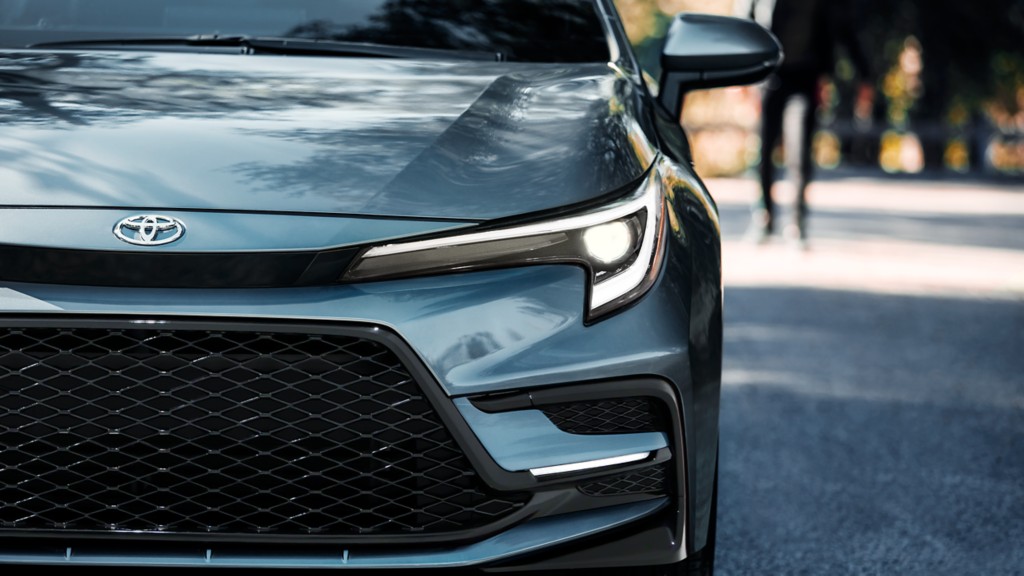
When Canadian drivers think of reliability, Toyota often comes to mind—and no model embodies that reputation more than the Toyota Corolla. As one of the best-selling vehicles of all time, the Corolla is beloved for its low cost of ownership, simplicity, and remarkable longevity.
Limited Time Automotive Amazon DealsBut how long can a Toyota Corolla last?
This article dives deep into the Corolla’s expected lifespan, how to extend it, and what factors influence how long it will remain roadworthy.
🕰 Average Lifespan of a Toyota Corolla
✔️ General Consensus: 15–20 years or 300,000–400,000 km
Limited Time Automotive Amazon DealsWith regular maintenance, a Toyota Corolla can easily last:
- 15–20 years of use
- Over 400,000 km (250,000 miles)
Many owners report their Corollas reaching 500,000+ km—some even beyond 600,000 km—with only routine maintenance and the occasional repair.
Evidence:
- A 2005 Corolla in Calgary reached 627,000 km before being traded in, still on its original engine.
- U.S. data from iSeeCars ranked the Corolla in the top 10 most likely cars to reach 300,000 km or more.
📊 Corolla Lifespan vs. Other Cars
| Vehicle Model | Average Lifespan (km) | Known for Longevity? |
|---|---|---|
| Toyota Corolla | 400,000+ | ✅ Yes |
| Honda Civic | 350,000–400,000 | ✅ Yes |
| Hyundai Elantra | 300,000 | ⚠️ With caveats |
| Mazda3 | 320,000 | ✅ If maintained |
| Volkswagen Jetta | 250,000 | ⚠️ Variable |
The Corolla outperforms many compact rivals in total serviceable lifespan. While Honda Civic is its closest peer, Toyota’s conservative engineering philosophy gives the Corolla an edge in longevity.
🔍 Why Do Toyota Corollas Last So Long?
Several engineering and design choices contribute to the Corolla’s longevity:
1. Proven Engine Platforms
Toyota doesn’t chase cutting-edge turbo tech in the Corolla. Instead, it uses time-tested, naturally aspirated engines like the 1.8L and 2.0L Dynamic Force series, which are:
- Low stress
- Built with overengineering in mind
- Designed for efficiency, not high performance
2. Simple Transmission Options
Many Corollas feature CVTs or traditional automatics with fewer complex components than dual-clutch or performance-focused transmissions. This minimizes failure points.
3. Resilient Suspension & Braking Systems
Toyota engineers for real-world abuse: potholes, ice, and gravel roads. Corollas are tuned for comfort and durability, not aggressive handling.
4. Global Platform Sharing
The Toyota New Global Architecture (TNGA) platform, which underpins the latest Corollas, benefits from global R&D investment and durability testing in diverse conditions—from Siberia to Saskatchewan.
🧰 How to Maximize a Corolla’s Lifespan
A Corolla’s long life isn’t just thanks to its build—it also depends on how you maintain it.
Maintenance Schedule Tips:
| Maintenance Task | Frequency | Importance |
|---|---|---|
| Oil Change | Every 8,000–10,000 km | 🔑 Critical |
| Transmission Fluid | Every 60,000–100,000 km | ✅ High |
| Brake Service | Inspect annually | ✅ High |
| Coolant Flush | Every 160,000 km or 10 yrs | 🟡 Moderate |
| Spark Plugs | Every 160,000 km | ✅ High |
Driving Habits That Help:
- Avoid short trips in cold weather (leads to carbon buildup)
- Warm up the car gently before high RPMs
- Use OEM parts for replacements
- Don’t skip maintenance even if the car “feels fine”
🏔️ Real-World Performance in Canada
Canadian weather can take a toll on cars. Fortunately, the Corolla is well-suited for:
- Cold starts in winter (with block heater)
- Low-salt corrosion zones (add undercoating if in Ontario or Quebec)
- Fuel economy in both city and highway (hybrid trims now offer 4.4–4.7 L/100 km combined)
With proper winter tires and rust protection, many Corollas in Canada routinely surpass 15 winters of dependable service.
⚠️ What Typically Fails First?
No car is indestructible. Even a Corolla has weak spots. Here’s what you might expect between 200,000 and 400,000 km:
| Component | Common Failure Point | Cost to Repair ($CAD) |
|---|---|---|
| Water Pump | 180,000–250,000 km | $400–$700 |
| Suspension Bushings | 200,000–300,000 km | $300–$900 |
| Wheel Bearings | 250,000 km+ | $400–$600 per corner |
| Exhaust System Rusting | 15+ years in wet climates | $500–$1,200 |
| CVT Belt Wear (if abused) | 200,000–300,000 km | $1,800–$3,500 |
The good news? These failures are predictable, and a Corolla rarely suffers from catastrophic engine or transmission failures if maintained.
💡 New vs. Used: Is a High-Mileage Corolla Worth It?
If you’re shopping used, you may find Corollas with 250,000–350,000 km still commanding a decent resale price. That’s because:
- Toyota parts are easy to find and affordable
- There’s a strong DIY community
- The engines and drivetrains are very forgiving
Just be sure to:
- Inspect for rust on subframe
- Verify maintenance records
- Check CVT or transmission operation (look for hesitation or slipping)
A well-maintained 2012–2017 Corolla with 300,000 km could still offer 5+ years of trouble-free driving.
⚙️ Hybrid Corolla Lifespan: Same or Better?
Introduced in 2020, the Corolla Hybrid offers similar durability—with added complexity from its battery and electric motor.
Hybrid-Specific Considerations:
- Battery: Generally lasts 10–15 years or 250,000–300,000 km
- Brake wear: Reduced due to regenerative braking
- Higher resale value due to fuel economy
In fact, many Toyota Prius hybrids—built on the same hybrid tech—have gone beyond 500,000 km, suggesting that Corolla Hybrids can match or exceed gas versions.
✅ Final Verdict: How Long Can a Toyota Corolla Last?
Summary:
| Category | Performance |
|---|---|
| Lifespan (average) | 15–20 years / 400,000 km |
| With excellent care | Up to 25 years / 600,000+ km |
| Cost per km (used) | As low as $0.10/km |
| Hybrid durability | Excellent |
With proper care, your Toyota Corolla can outlast most vehicles on Canadian roads.