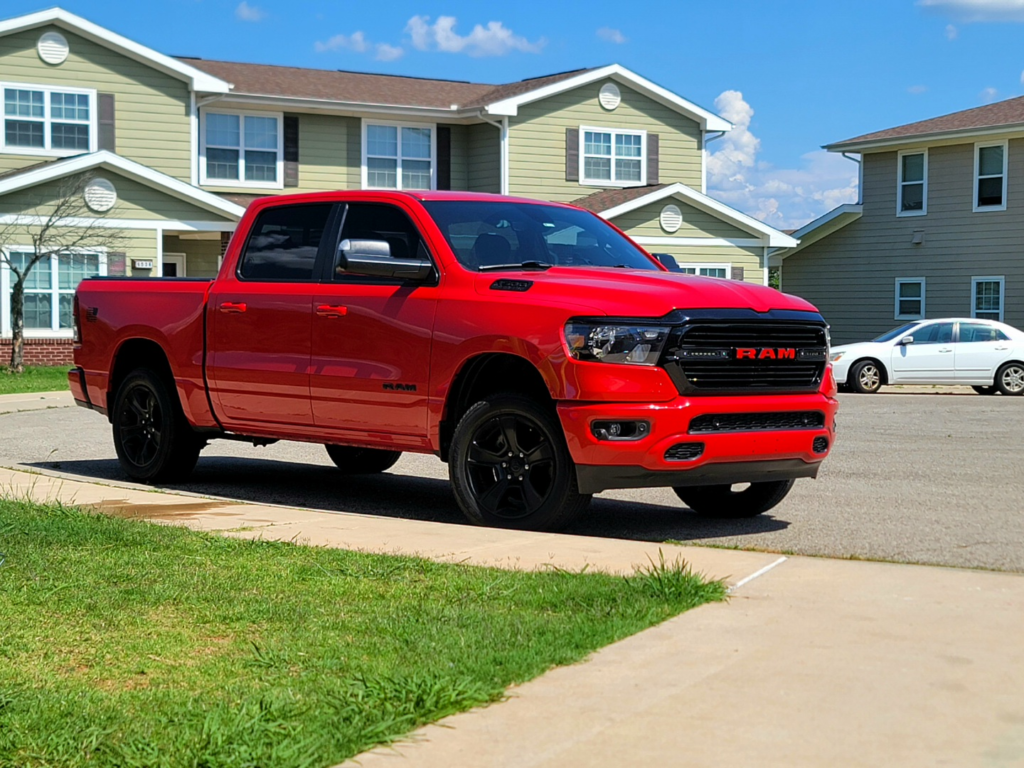
The Ram 1500, one of Canada’s most popular full-size pickup trucks, is known for its powerful capability, premium comfort, and versatility. One question many potential buyers ask is: “How much does a Ram 1500 weigh?” While the answer depends on many factors—like engine type, cab configuration, and drivetrain—understanding the weight of a vehicle is critical for safe towing, fuel efficiency, licensing, and performance in Canada’s demanding conditions.
Limited Time Automotive Amazon DealsIn this comprehensive guide, we’ll explore the curb weight, gross vehicle weight rating (GVWR), payload impacts, and comparisons for the Ram 1500, with all details relevant to Canadian consumers.
1. What Does Vehicle Weight Include?
Before diving into the specific numbers, it’s important to understand a few key terms:
- Curb Weight: The weight of the truck with standard equipment, all fluids, and a full tank of fuel—but no passengers or cargo.
- GVWR (Gross Vehicle Weight Rating): The maximum allowable weight of the truck including passengers, cargo, and the vehicle itself.
- Payload Capacity: The difference between GVWR and curb weight—how much cargo and passengers you can carry safely.
- GCWR (Gross Combined Weight Rating): The total weight of the truck, passengers, cargo, and whatever is being towed.
All of these are affected by how the truck is built and configured.
2. Ram 1500 Configurations Available in Canada
The Ram 1500 is available in several configurations, each with its own weight characteristics:
- Cab Styles: Quad Cab (shorter rear seat) and Crew Cab (larger rear seat)
- Bed Lengths: 5’7” or 6’4”
- Drivetrains: 4×2 or 4×4
- Engines:
- 3.6L Pentastar V6 with eTorque
- 5.7L HEMI V8
- 5.7L HEMI V8 with eTorque
- 3.0L EcoDiesel V6
- 6.2L Supercharged HEMI V8 (TRX model)
Each combination changes the overall weight of the vehicle, sometimes significantly.
3. Curb Weight by Model and Engine
The curb weight of the Ram 1500 varies widely. Here’s a table showing typical weight ranges in Canada:
| Engine & Configuration | Cab Style | Drive | Curb Weight (kg) | Curb Weight (lbs) |
|---|---|---|---|---|
| 3.6L V6 eTorque | Quad Cab | 4×2 | ~2,140 kg | ~4,718 lbs |
| 3.6L V6 eTorque | Crew Cab | 4×4 | ~2,300 kg | ~5,070 lbs |
| 5.7L HEMI V8 | Quad Cab | 4×4 | ~2,400 kg | ~5,290 lbs |
| 5.7L HEMI V8 with eTorque | Crew Cab | 4×4 | ~2,500 kg | ~5,510 lbs |
| 3.0L EcoDiesel V6 | Crew Cab | 4×4 | ~2,550 kg | ~5,622 lbs |
| 6.2L Supercharged V8 (TRX Model) | Crew Cab | 4×4 | ~2,725 kg | ~6,008 lbs |
These values represent averages and can fluctuate slightly depending on additional options such as off-road packages, bed liners, or sunroofs.
4. Gross Vehicle Weight Rating (GVWR)
The GVWR tells you how much weight the truck can carry safely, including its own weight and anything inside it.
| Model | GVWR (kg) | GVWR (lbs) |
|---|---|---|
| Ram 1500 4×2 (V6) | ~2,720 kg | ~6,000 lbs |
| Ram 1500 4×4 (V8) | ~3,175 kg | ~7,000 lbs |
| Ram 1500 EcoDiesel | ~3,220 kg | ~7,100 lbs |
| Ram 1500 TRX | ~3,500 kg | ~7,800 lbs |
Subtracting the curb weight from GVWR gives you the payload capacity—a key spec if you’re hauling heavy equipment or towing in Canadian terrain.
5. Why Weight Matters in Canada
a) Winter Handling
In snowy Canadian provinces like Alberta, Ontario, and Quebec, heavier trucks offer more road grip, especially in 4×4 configurations. However, they also require longer stopping distances.
b) Licensing
Ram 1500s stay under 4,500 kg GVWR, which means no special commercial license is needed in Canada. You can drive any Ram 1500 with a standard Class 5 license.
c) Towing and Payload
Heavier curb weights typically mean lower payload capacity, even if GVWR remains constant. However, heavier models—like those with V8 or diesel engines—can often tow more due to their frame and torque.
d) Fuel Economy
Lighter Ram 1500 models, especially the 3.6L V6, offer better fuel efficiency. Heavier V8 or diesel models consume more fuel but provide superior towing and long-haul performance.
6. Comparison with Other Full-Size Trucks in Canada
How does the Ram 1500 stack up against competitors?
| Truck | Curb Weight Range (kg) | Curb Weight Range (lbs) |
|---|---|---|
| Ram 1500 | 2,140 – 2,725 kg | 4,718 – 6,008 lbs |
| Ford F-150 | 2,000 – 2,720 kg | 4,400 – 6,000 lbs |
| Chevy Silverado 1500 | 2,050 – 2,650 kg | 4,520 – 5,850 lbs |
| Toyota Tundra | 2,220 – 2,720 kg | 4,900 – 6,000 lbs |
The Ram 1500 is slightly heavier on average, especially in premium or performance trims like the Limited and TRX.
7. Canadian Buyer Considerations
a) Terrain
- For rural or mountainous areas in BC or Alberta, a heavier V8 4×4 model may be ideal for stability and power.
- Urban dwellers in Toronto or Montreal may prefer lighter V6 models for better maneuverability and fuel savings.
b) Fuel Prices
- With Canadian fuel prices among the highest in the G7, a lighter truck can reduce operating costs.
- Diesel and premium gas models (like the TRX) come with higher fuel costs but superior torque.
c) Insurance
Heavier and more expensive trims tend to carry higher insurance premiums in Canada. That said, Ram’s widespread parts availability can help keep claim costs moderate.
8. Summary Table
| Specification | Value/Range |
|---|---|
| Curb Weight | 2,140 – 2,725 kg (4,718–6,008 lbs) |
| GVWR | 2,720 – 3,500 kg (6,000–7,800 lbs) |
| GCWR | Up to 7,700 kg (17,000 lbs) |
| Heaviest Model | Ram 1500 TRX |
| Lightest Model | V6 Quad Cab 4×2 |
| License Requirement | Class 5 (standard across Canada) |
| Payload Impact | Higher weight = lower payload |
| Fuel Efficiency Impact | Heavier trucks consume more fuel |
Conclusion
The Ram 1500’s weight in Canada ranges from just over 2,100 kg to nearly 2,750 kg, depending on trim, engine, cab size, and options. Understanding your truck’s weight helps ensure safe operation, especially when towing or carrying loads. In Canada, where road conditions, licensing rules, and fuel prices vary dramatically by province, knowing these figures can help you make the right purchasing decision.
Whether you’re choosing a basic work truck or a fully loaded TRX for weekend adventures, the Ram 1500’s weight is a critical factor that balances capability with efficiency.