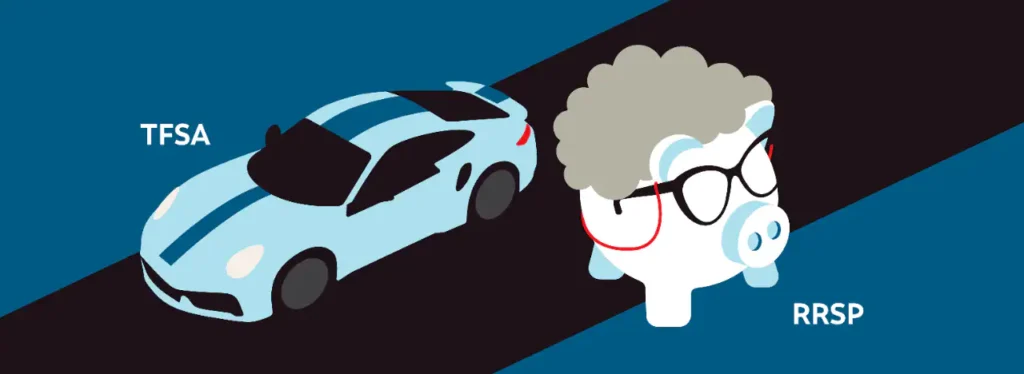
Your TFSA is one of the most powerful financial tools available to Canadians. It allows your investments to grow tax-free, and you can withdraw money at any time without paying tax. That flexibility makes it tempting to dip into your TFSA for large purchases—like a vehicle.
Limited Time Automotive Amazon DealsBut just because you can use your TFSA to buy a car, doesn’t always mean you should.
What Is a TFSA?
A Tax-Free Savings Account (TFSA) is a registered account that lets Canadians earn tax-free investment income. You can contribute cash, invest it in stocks, ETFs, bonds, and GICs, and all growth is completely tax-free. You can also withdraw funds at any time, for any purpose.
2025 TFSA Contribution Limits
| Year | Annual Limit | Cumulative Limit (since 2009) |
|---|---|---|
| 2025 | $7,000 | $95,000 (if eligible since 2009) |
When Using TFSA to Buy a Car Makes Sense
✅ 1. You Need a Car Immediately and Have No Other Cash
Limited Time Automotive Amazon DealsIf you need a reliable vehicle for work, school, or family obligations and don’t have any other liquid funds, using your TFSA may be the most cost-effective solution—especially when the alternative is a high-interest car loan.
Example:
- Car price: $15,000
- Loan interest rate: 9%
- Annual loan interest: ~$1,350
By withdrawing from your TFSA, you save on interest charges.
✅ 2. Your TFSA Is in a Low-Interest Savings Account
If your TFSA is just earning 2% interest in a high-interest savings account, but you’re facing 7%–10% financing on a car loan, it may make sense to pull the money out and avoid debt.
✅ 3. You Plan to Re-Contribute in the Future
TFSA withdrawals can be re-contributed in a future year. If you’re financially stable and plan to replace the funds next year, using it for a short-term need like a car can work—as long as you track your limits carefully.
When Using TFSA to Buy a Car Is a Bad Idea
❌ 1. You’re Giving Up Long-Term Tax-Free Growth
Your TFSA is most powerful when invested in long-term growth assets like stocks or ETFs. With compounding returns over decades, your TFSA could grow to six figures. Using it for a depreciating asset like a car removes money that could grow tax-free for years.
Example:
| Investment | Value in 20 Years (6% return) |
|---|---|
| $20,000 kept in TFSA | $64,143 |
| $20,000 spent on car | $0 (depreciates to $0) |
The opportunity cost can be huge.
❌ 2. You’ll Max Out Your Contribution Room
Once you withdraw funds from your TFSA, you can’t re-contribute them until the next calendar year. If you already maxed out your contribution room this year, putting money back in early may result in overcontribution penalties (1% per month on the excess).
❌ 3. You Could Use Cheaper Financing
If you qualify for low-interest financing through a bank or car manufacturer (e.g., 0.99%–2.99%), it may be smarter to borrow and let your TFSA investments continue compounding. This is especially true in bull markets, where TFSA investments often yield more than car loan interest.
Additional Considerations
Depreciation
Cars lose value rapidly. In fact, a new vehicle can lose 30% of its value in the first year. Using your TFSA—a vehicle meant to build wealth—to buy an asset that rapidly depreciates is generally not ideal.
RRSP vs. TFSA
If you’re choosing between using your RRSP or TFSA to fund a car purchase, TFSA is the better option because:
- RRSP withdrawals are taxed as income
- RRSP withdrawals reduce your retirement savings permanently
- TFSA withdrawals are tax-free and the room is reclaimable
Summary: Pros and Cons
| Pros of Using TFSA | Cons of Using TFSA |
|---|---|
| No tax on withdrawals | Lost long-term investment growth |
| Can avoid high-interest car loans | Reduces contribution room temporarily |
| Flexible and immediate access | Opportunity cost can exceed loan interest |
| Smart if TFSA is earning low returns | Can create re-contribution confusion |
Final Verdict: Should You Use Your TFSA to Buy a Car?
Yes, if it helps you avoid high-interest debt and you have no better alternative.
No, if it derails your long-term savings goals and you can access low-cost financing.
The best use of a TFSA is for growing long-term wealth, not for buying depreciating assets. That said, life happens—and sometimes using your TFSA is the least harmful option. If you do use it, try to replenish the funds as soon as possible, and make sure you don’t overcontribute.
Pro Tip
If your car is essential for work or your business, consult with an accountant about possible tax deductions—especially if you’re self-employed or using it for rideshare/delivery services. That may partially offset your vehicle costs in other ways.